Lake updates
Health warnings, events and closures, and biosecurity alerts.
Health warnings
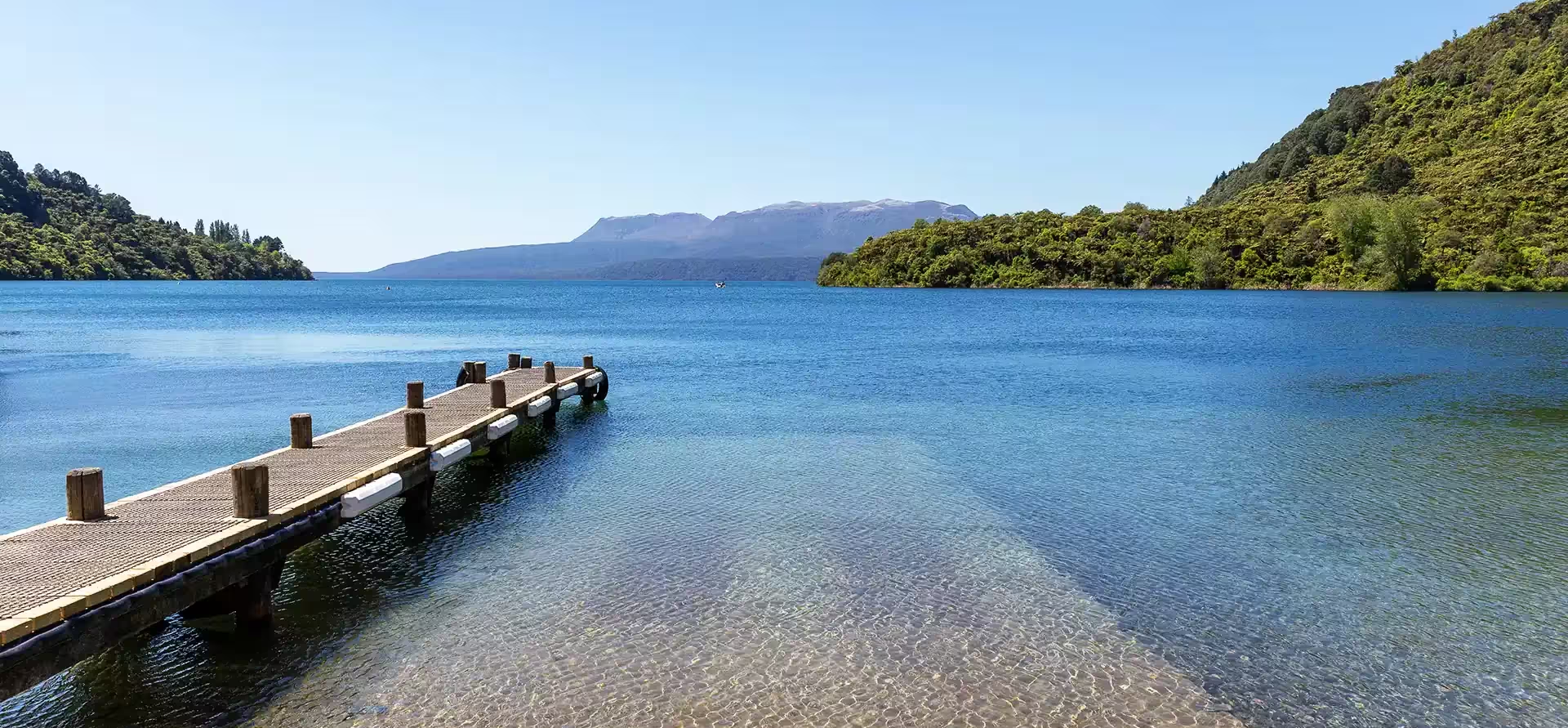
Bay of Plenty Regional Council monitors 13 sites across four lakes for blue-green algae blooms.
These results are uploaded to LAWA and sent to Health NZ - Bay of Plenty and Lakes who determine whether to issue a health warning. Water quality can change quickly, especially after rain.
- Avoid swimming for 2-3 days after heavy rain
- If you can't see your toes in calf-deep water, don't swim
- Stay clear of green, cloudy water
- If you suspect an algal bloom is present and no warning has been issued, play it safe and avoid contact with the water, especially if you have allergies or are immune compromised
- Even a small amount of toxic algae is dangerous for dogs, so keep them away from any water body showing signs of toxic algae
Lake events & closures
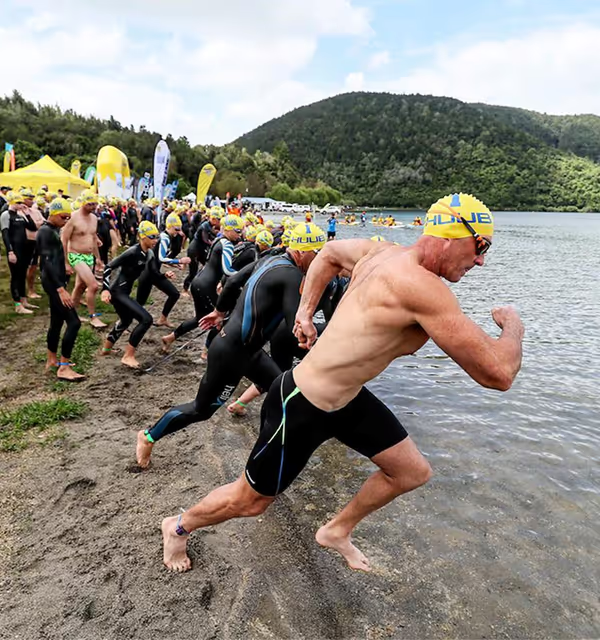
Aquatic events are held year-round, and from time to time these may involve full or partial lake closures. Follow the below link to find out what water-based events are happening across the Rotorua Te Arawa Lakes.
You’ll also find information regarding event applications, guidelines and navigation safety.
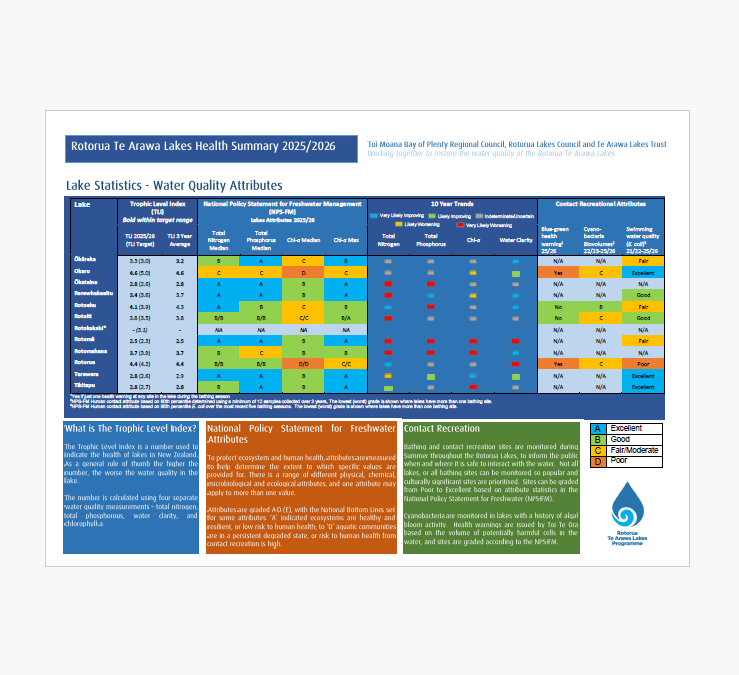
Annual Te Arawa Lakes Health Summary
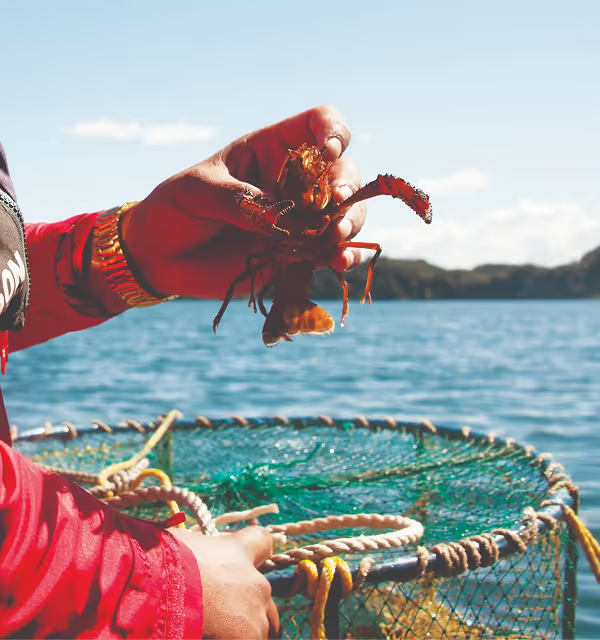
An annual snapshot of various water quality attributes including kōura and kākahi monitoring, and Trophic Level Index (TLI) targets.
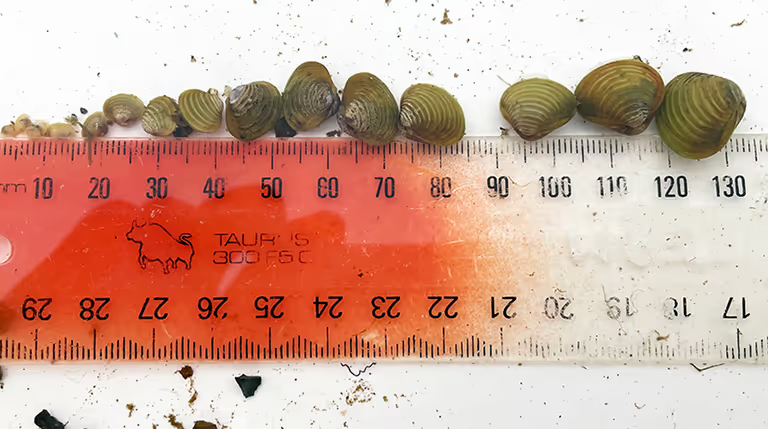
Rules in place to protect against gold clams
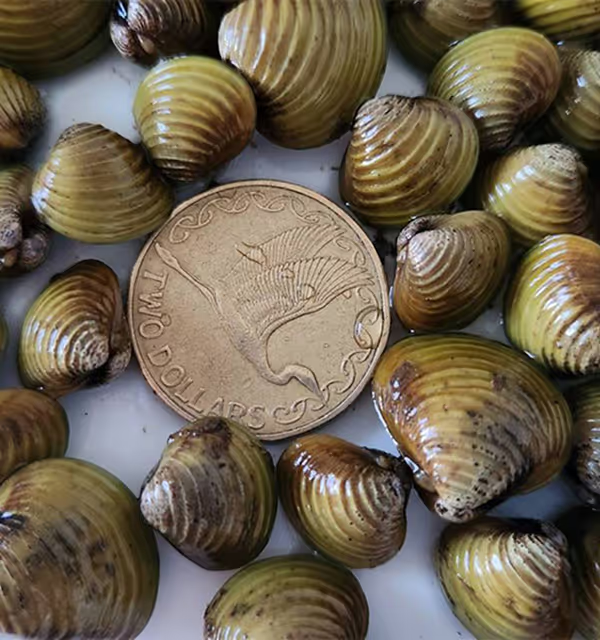
Corbicula fluminea and Corbicula australis have been given the legal status of an Unwanted Organism under the Biosecurity Act. This means that people must not knowingly move them or water that may contain them. To do so would be an offence under the Biosecurity Act.
Corbicula is listed in the Bay of Plenty Regional Pest Management Plan (RPMP) 2020–2030 as an exclusion pest and under rule 7 all boat ramp users must certify that their vessel, craft, and trailer are free from freshwater pest fish and pest plants.
Te Arawa lakes Controlled Area Notice (CAN)
For all 14 Te Arawa lakes
Any boat that has been in the Waikato River in the previous 30 days must be cleaned at a designated wash station before entering the water.
For Lake Ōkataina
All boats must be cleaned at a designated wash station before entering the lake.
The designated wash stations are:
All boats must be cleaned at a designated wash station before entering the lake. The designated wash stations are:
- The Wash Place, 338 Te Ngae Road, Rotorua.
- Whakatāne Harbour Boat Ramp, 21 Muriwai Drive, Whakatāne.
- At the wash station, boaties need to:
- Wash down the boat and trailer and drain any remaining water.
- Scan the QR code in the wash bay using a phone camera to take you to an online form.
- Fill out and submit the form while at The Wash Place / Boat Wash to receive 2 PIN access codes for the Lake Ōkataina boat ramp gate (this area is geo-fenced).
- Use the first 4-digit PIN received by email or text to open the gate at the boat ramp. You must use this PIN within 2 hours of receiving it.
- Use the second PIN when exiting the lake.
You can read more about the clams and the Controlled Area Notice (CAN) in place on the Biosecurity New Zealand website.